

27% of Crane Accidents are Dropped Loads
27% of Crane Accidents are dropped loads. From 2011 to 2017, 297 crane related deaths occurred in the United States. Power Line contact is the number one cause of deaths. What we don’t talk about is what is the second cause? It’s dropped loads/struck by incidents.
According to a 2024 Konecranes Training Institute study, improper rigging practices cause 27% of load drops, making it the single most common cause of crane incidents. - Operator School Blog
As an operator, I’ve never allowed pallet lifts. At best, I would lift it off of the truck, and onto the ground. Twice in my career as an operator people hooked up pallets on slings when I didn’t see it happening because of the building being in the way. And twice, I’ve had to race to get the Pallet set down on the roof. In one case I didn’t make it to the roof before it fully collapsed and we painted that brand new roof.
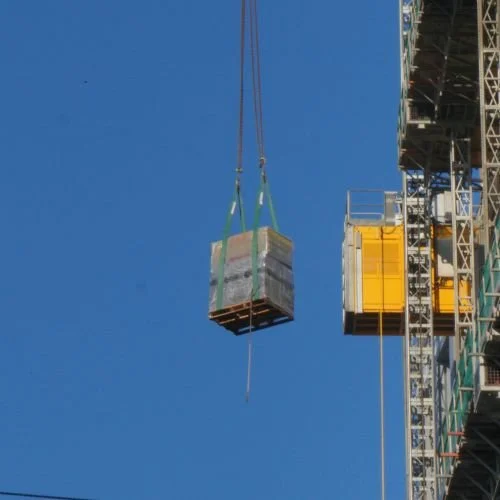
Example of a pallet lift on slings. Not a legal lift.
Safety Expectations Come From the Top
Crane Operators and Riggers are often cited as the ones making decisions about lifting. It’s a disingenuous position. Safety is something planned for as a job is bid. If someone isn’t asking at that time how product will be lifted and incorporating that into a plan that is actionable, then we can’t expect people in the field to solve it. They are going to work with what they are given. Safety is a cultural issue within companies. You can see this in the data.
Between 2011 and 2017 Texas had 50 fatal injuries involving cranes according to the BLS . The next three states, Florida, New York, and California had 46. A 3x higher result. The problem is cultural and it starts at the top of companies. Either you are a company that plans to mitigate hazards with training and the right tools, or you have accepted that deaths are going to happen on your watch. This is not a field behavior issue.
The Right Tools To Stop Load Drops
The Right Tools To Stop Load Drops is functionally an easy solution. ASME B30.20 Below the Hook Attachments. It sets out the design criteria for safe hoisting tools. It provides for a 3:1 safety factor in the lifting attachment. You’ll know what it’s rated for. In most cases the attachment points are above the center of gravity which makes it virtually impossible for an item to roll out and become a dropped load. The attachments are positive so nothing can shift. When we put slings under a load it’s possible for the lift to look good, but then become a dropped load during the hoist. This was seen in Boston last year. It’s a roll out to become a dropped load because the slings were not containing the center of gravity. In effect, the slings are the attachment points at the base of the load despite using the spreader bar. A load container would have prevented this accident because it would not flex and shift and the attachment point would be higher by 42 inches or so for most containers.
Solutions Have an Initial Cost with Long Term Savings
The Solutions to the problems that cause 27% of all crane incidents do have an initial cost. You have to buy a load container. If you are used to sending a rigger over to make a lift of a pallet with just slings, this is going to seem to be relatively expensive. That viewpoint is very short sighted. Lifters save money in just about every other measure.
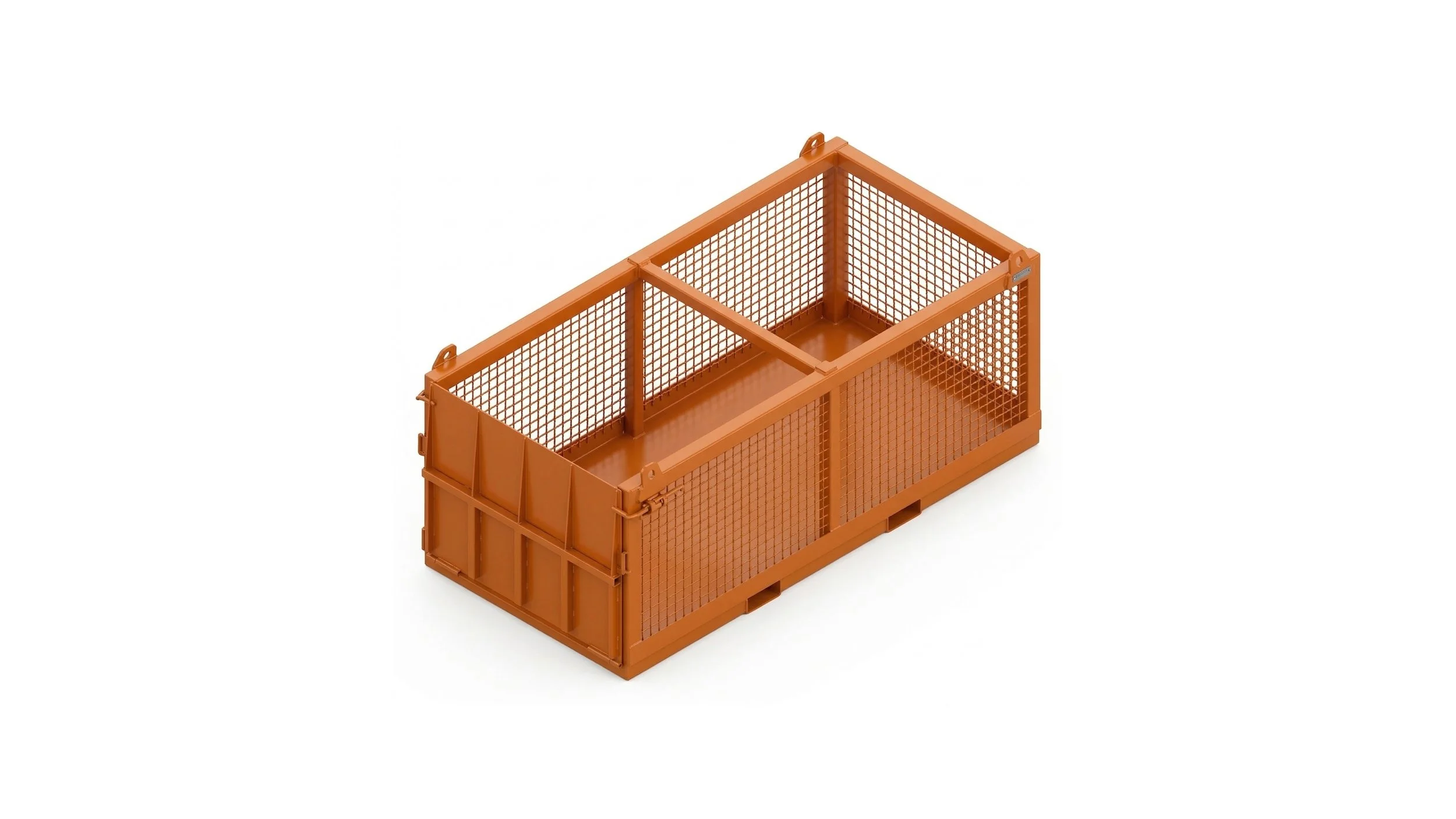
Double Pallet Bin
Your Crane is Expensive. Operationally, if you stop the hook from moving, it’s costing you money. If you have two pallets to lift to a working deck. That can be a 13 minute process to install the slings, land the pallet, remove the slings, then go back down to get the next one for the next cycle. At $500 an hour for the crane and crew, that’s a cost of $108.29 to lift two pallets. If the crane shows up and the pallets are loaded into a bin, the total cycle time could be closer to 3 minutes, or $25. Saving $83 over and over for a 20 year life cycle of the bin will have a nice return for the user.
Accident Reduction
Accidents are not inexpensive. Accident reductions are valuable.
According to Konecranes data, the average major injury from a crane accident costs over $200,000, while the average fatality costs over $4 million - Source
If you are using a crane and somehow find a way to have an accident and you’ve used the lifter properly, you will massively mitigate these losses that Konecranes are reporting. Moreover, you simply won’t have a number anywhere near the 27% others are seeing. Or the 50 deaths every 6 years that Texas has.
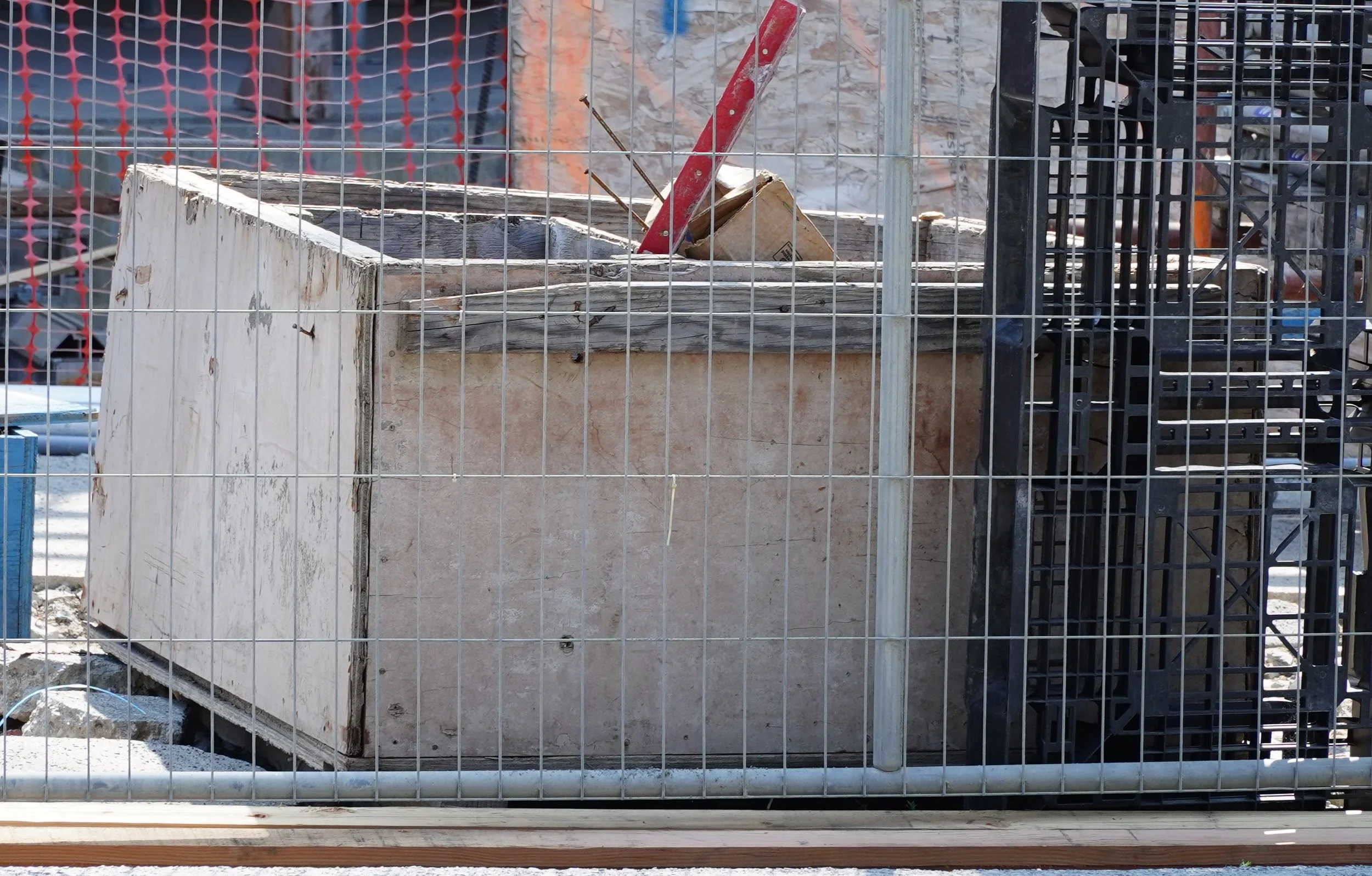
This Twisted Box is an example of what’s in the field across the US and Canada
Job Built Tools with No Ratings
Jobs Build solutions to their challenges all of the time. If executive leadership doesn’t want to spend the money for the right tools, they’ll find a way to “get it done”. But what’s the risk management going on here? Where will we find compliance?
The risk is that the lifter is not going to have a rating. You’ll put something in it and the next question is, what’s it rated for? The answer is nothing. If you put slings under a nailed together box, it’s rated for zero pounds of weight in the box. You can sling up an empty box. But the second that any load goes in the box, it needs a rating. By an engineer or manufacturer. The rating, lifter weight, manufacturer, and serial number need to be on a tag. It’ll need to be load tested by the company before it goes into service. And these records need to be kept. The Lift Director should find them. An inspection log should be kept for the life of the lifter. And if you are signing off on the lifter, what’s your rejection criteria? Where is the set of instructions for use? That’s the list of what you need for the lift to be legal.
Jobs will be sure to think they are wise in using scrap wood to form up a box and save $400 versus a wire basket that is rated. But the person that loses their life in the 27% has loved ones that aren’t going to agree with the job assesment.
Prevent the Accidents and Win
By having the right tools, you can prevent the accidents in the first place and win at the game of life. We owe it to the people that work for our companies to care for them and their ultimate goal of getting home every days. We need to do better at keeping them safe. We all understand that they need a harness to prevent falls. When you lift a load container over people you expose them and the company to as much risk as you would by having them work at heights without a harness. You simply wouldn’t do it. You need to use the same perspective in load lifters. The data is clear. This problem can be solved. We’re here to help at CraneGear.net