

What Defines “The Load” in Rigging
What is The Load?
Load is a term in hoisting that has many meanings. If you are a crane operator, the load is everything beyond the “upper block” of the crane. This could be the sheaves on the main boom as your starting point. If you add a swing away, that’s now load that has to be added. Hoist rope weight. Different hook blocks have different weight. It’s all “load” on the crane. From a tower crane perspective, it’s most commonly all of the items below the hook of the crane, unless the crane is taller than the maximum freestanding height. When your tower crane is 800’ tall, you have to add in the weight of the added rope too. To be fair, the modern tower cranes do that automatically. Then there is the term from the rigging perspective. Today, I want to help define load from a rigging perspective. The short is, the load is the product or item that you need to move. Let’s delve in.
Load is What Needs to Be Moved
When you ask yourself as a rigger what the load is that you’ll be putting on the hook of the crane, you’ll likely include all rigging attachments. This could be your 20’ four way chains. Then there is the structural lifter. The load is what goes in the lifter. It might be concrete in a bucket. It might be John Shoes for walls. It might be 5 gallon buckets of paint. Alternatively, if you are lifting a bundle of 2×4’s and just using slings, then the 2×4’s are the load. Since they are self supporting, you don’t need a lifter to be involved. But any box, bin, or other structure that is holding the load, is not the load. It’s a lifter. I’m sure you aren’t all convinced. So let’s go further into the argument and break out some code so we can nerd out on this topic and get informed.
OSHA Regulation on Below the Hook Lifters
OSHA 1926.251 is the code that requires our Materials Handling Equipment be rated. It’s really a broad code meant to catch all.
Employers must ensure that rigging equipment:
1926.251(a)(2)(i)
Has permanently affixed and legible identification markings as prescribed by the manufacturer that indicate the recommended safe working load;
1926.251(a)(2)(ii)
Not be loaded in excess of its recommended safe working load as prescribed on the identification markings by the manufacturer; and
1926.251(a)(2)(iii)
Not be used without affixed, legible identification markings, required by paragraph (a)(2)(i) of this section.
1926.251(a)(3)
Rigging equipment, when not in use, shall be removed from the immediate work area so as not to present a hazard to employees.
Special custom design grabs, hooks, clamps, or other lifting accessories, for such units as modular panels, prefabricated structures and similar materials, shall be marked to indicate the safe working loads and shall be proof-tested prior to use to 125 percent of their rated load.
Lifting Accessories have to be rated and tagged. It’s same as any rigging. If this is all you took away from that code, you could meet it. OSHA regulations will sometimes cite ASME or ANSI to establish a connection with the National Consensus Standard. In this code, they do not cite ASME B30.20 for below the hook. Some people will be convinced that they can do what they want for a lifter. This is incorrect. Let’s go back to what the code says:
Has permanently affixed and legible identification markings as prescribed by the manufacturer that indicate the recommended safe working load
When your equipment manager sends out a box without a rating on it for lifting items, who is the manufacturer? Does it have a tag? Are you using it as your instructions show? Are you inspecting it as anyone instructs you to? If not, who is signing off on using it? Lift Director? Crane Operator? The Qualified Rigger? These are risk questions you should understand before someone blames you for a violation.
OSHA Cites ASME
A critical understanding of OSHA’s intentions is found in the Letters of Interpretation. In 2004 Moser asks about the inspection requirements and applicability of ASME to 1926.251. OSHA cites the General Duty Clause and applies ASME B30.20 to their position that you should inspect to ASME as your default minimum standard. Follow the link and see if you agree.
The short:
An employer who follows ASME B.30.20, specifically sections 20-1.3.1 through 20-1.3.7 and 20-1.3.9 with respect to inspections for below-the-hook lifting devices (other than for slings), would be considered to be in compliance with OSHA requirements.
If you are a rigger, lift director, or crane operator, what standards from ASME B30.20 would you use to apply to a wood box lifting any load? Is it tagged by a manufacturer? What’s the rating. ASME B30.20 requires that the “Structural Lifter” or “Load Container” be made of steel. So how does that wood box pass any ASME B30.20 inspection standard? If you are the Qualified Person taking on this responsibility, you’ll want to know the answer to that question.
The Vocabulary of Load
Understanding what Load means is an exercise in vocabulary with bureaucrats. We simply need to be specific. OSHA defines “Load” in 1926.1401 .
Load refers to the object(s) being hoisted and/or the weight of the object(s); both uses refer to the object(s) and the load-attaching equipment, such as, the load block, ropes, slings, shackles, and any other ancillary attachment.
This is mainly from the crane operator perspective. But take note that they make clear that there is an “object being hoisted” and then refer to “Load Attaching Equipment”. They give themselves room to define load as it needs to be for just about any situation. And the “Load Attaching Equipment” helps with clarity in noting that it can be seen as independent as well, just like rigging slings are independent of being “the load”.
We have to go to ASME as the national consensus. In 2025 ASME updated some of the language on the topic. It carries the concept further from a riggers perspective in the operations.
ASME B30.20 Structural and Mechanical Lifting Devices - Scope:
Structural and mechanical lifting devices directly support or contain the load,
Structures support or contain the load. It’s pretty clear that they aren’t the load.
Other examples of ASME defining the Lifting Device as separate from the Load:
The lifting device shall be applied to the load in accordance with the instruction manual.
The lifting device shall be applied to the load in accordance with the instruction manual.
Loose or Flowable Materials
Loose or flowable materials is a very helpful phrase for riggers to decide when they need to consider a lifter. If you had a pallet of plywood and lifted the plywood with slings in a way that it can support itself, then the lift is likely legal. Nothing is likely to get loose or flow out of a stack of plywood unless you lifted it out of level. If you lift a pallet of small bricks, the items could become loose if the slings deform or don’t support the base. Even if they are shrink wrapped, a failed pallet will make them “loose”. The slings themselves could not retain them. Here’s an example.
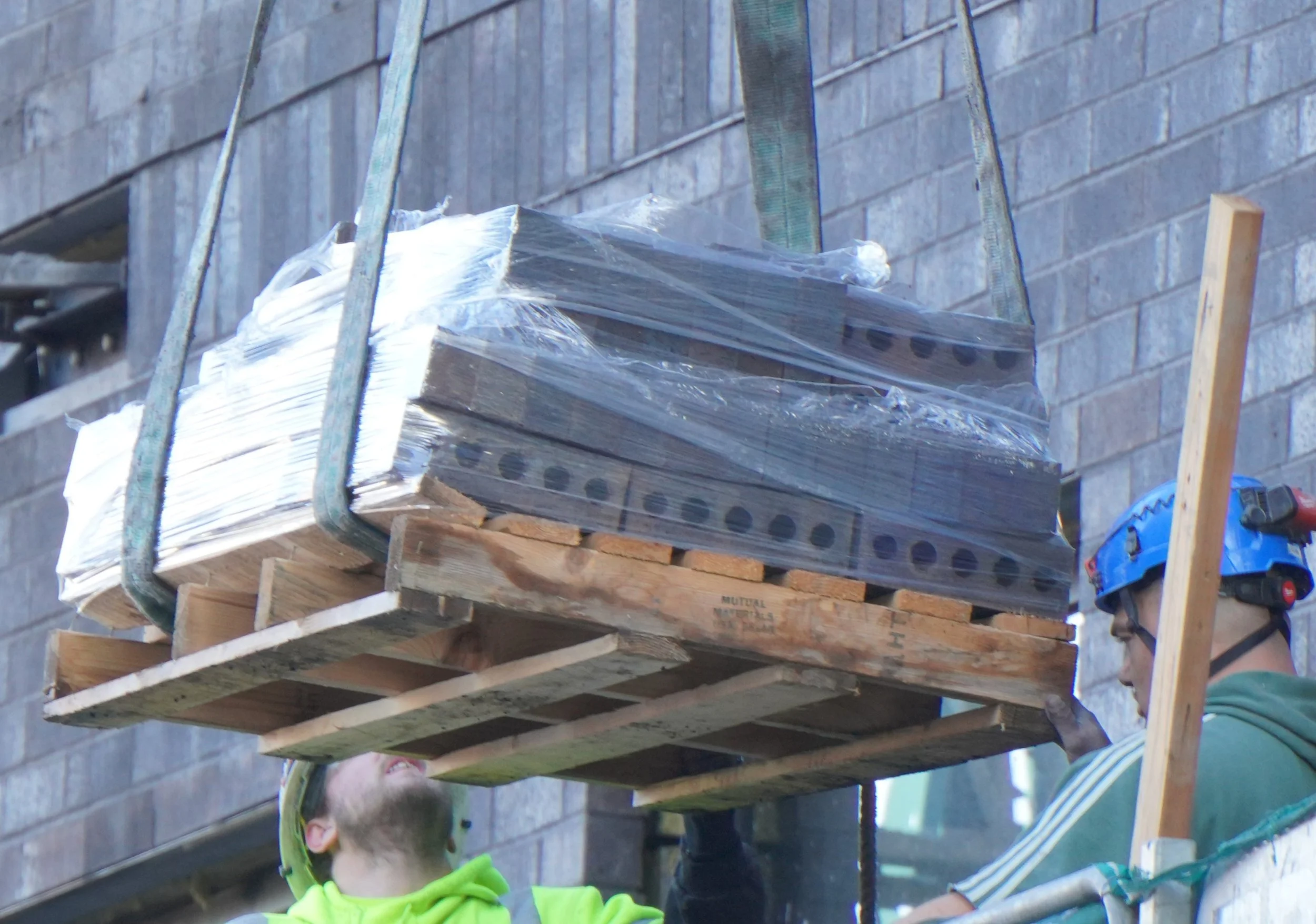
If this pallet tacos any more, the bricks can become “loose” and fall.
What a person needs to see as a concept is that if the lifter they are using failed, is the series of questions that will follow:
What did the tagging say about the rating?
Did you lift it as the manufacturer instructed?
Did you inspect it before you lifted it?
Where is the documentation of an inspection?
If you can’t answer these questions, then you should be telling people that you won’t make these kinds of lifts.
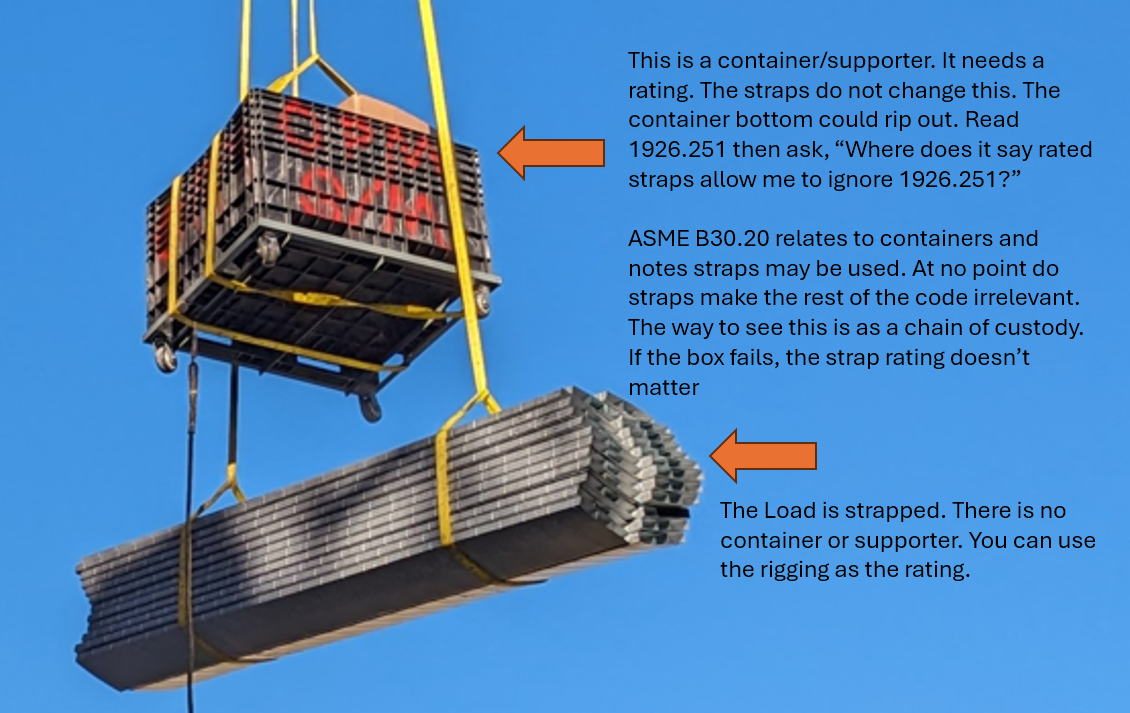
The Plastic box is deforming under load. If the bottom is overloaded, would item rain out?
The studs below are self supporting and good.
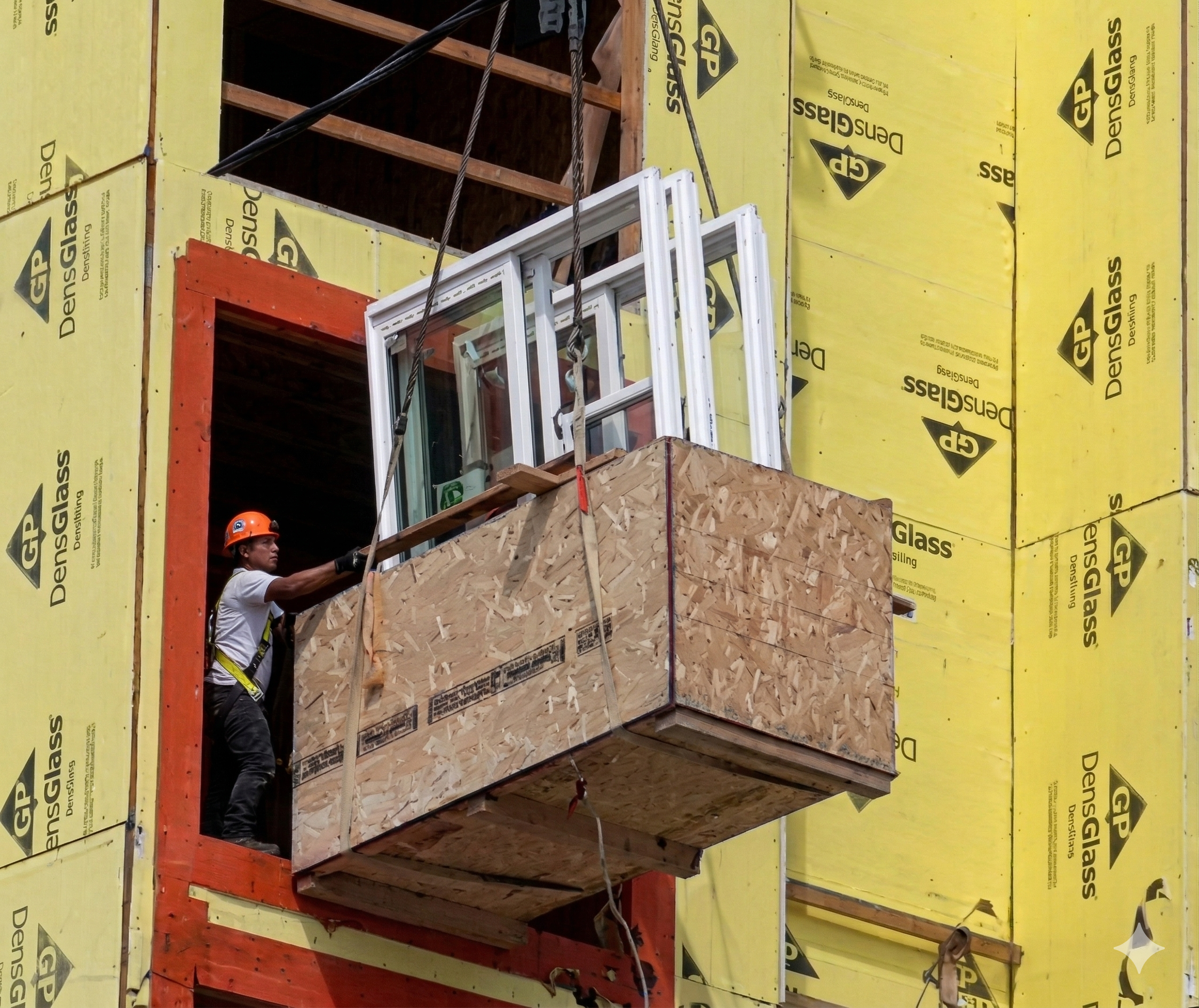
This OSB box was seen in Seattle, I’ve only removed some power and communication lines. This man was walking into this box to get the glass out.
If your slings on the load will retain the entire load in the event something fails, you can be in a good position with regard to your practices. But if the failure of the base of the box would present an opportunity for the load to rain out of the bin or lifter, then you need to know the rating of the lifter. And the steel would likely prevent the punctures or tears as ASME requires. It’s very clear in the ASME BTH-1 Design document that deformation and punch through resistance are a part of the calculations that goes into the design of a rated structural lifter.
Tags Establish Load as Independent of the Lifter
The tags found on Structural Lifters that meet ASME Establish the Load as Independent of the Lifter. Surely, someone reading this thinks I’m holding a silly position. We should look at the manufacturer position to understand this concept. What does the Tag tells us?
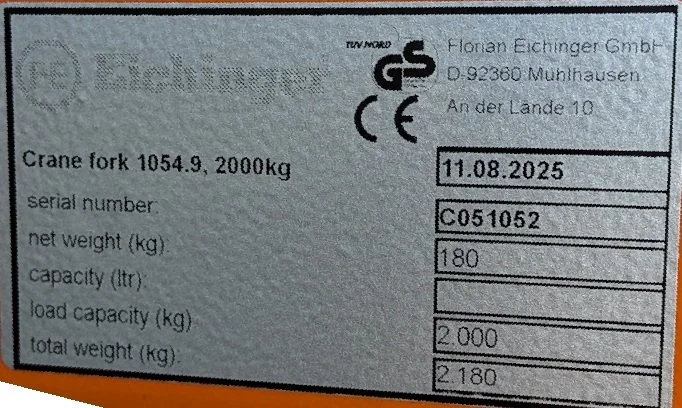
Eichinger Crane Fork Tag
The weight and the rating of the lifter is required under OSHA and ASME. This tag helps see the way that has to work. The load capacity is 2000 kg. The weight of the lifter is 180 kg. The total weight of the load and the lifter is combined and not subtracted from the whole load capacity. Even the lifter shows the load is independent.
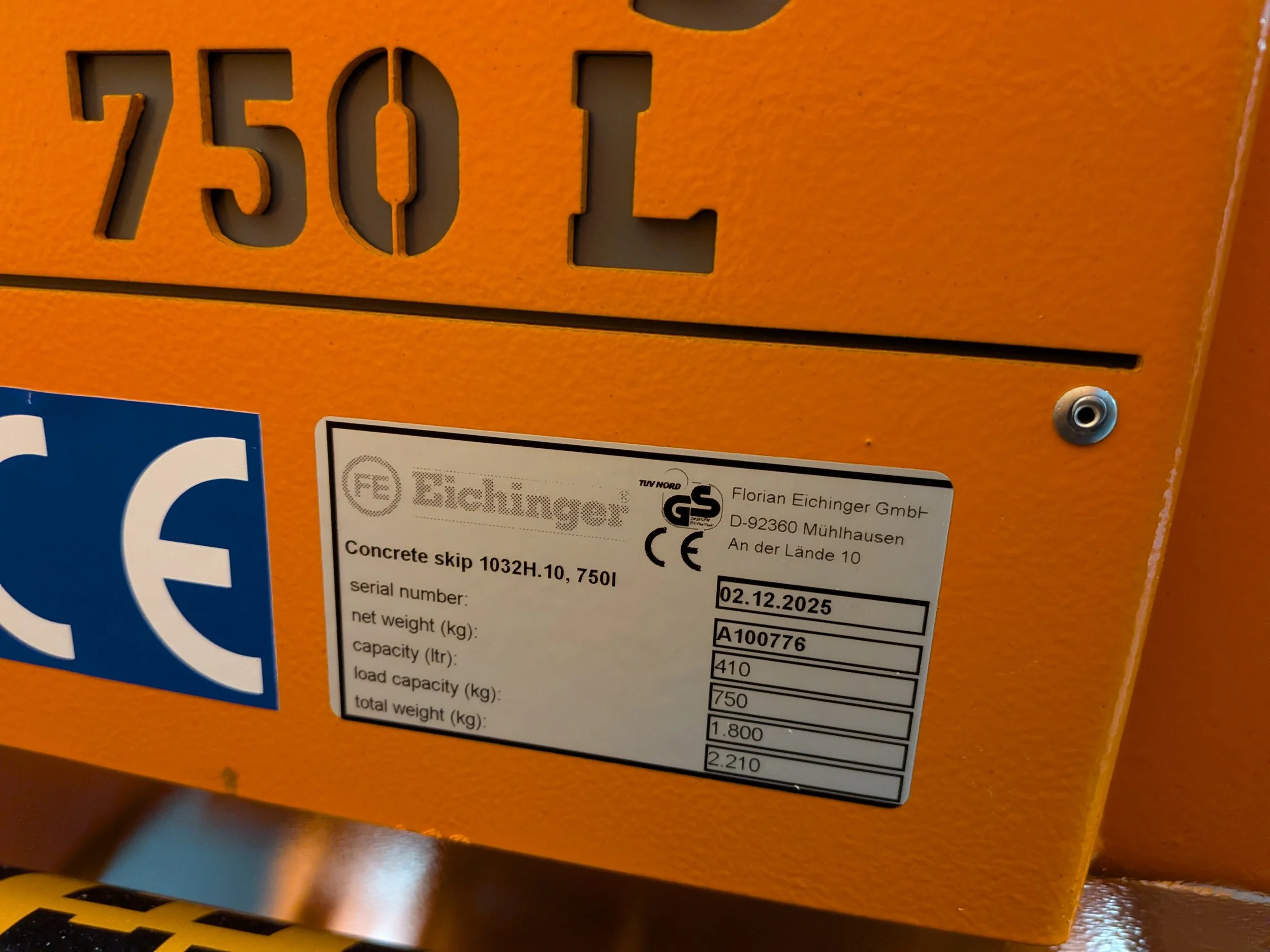
750 Liter or One Yard Concrete Bucket Label
Here it is again. This concrete bucket is rated at 750 Liters, or one yard. 750 Liters of concrete has a weight of 1800 kg. The bucket shows a weight of 410 kg. The total weight is 2210 kg. It’s a cumulative weight. The Load + the Load Container, or Structural Lifter.
The take away should be clear. The lifter is not the load from a rigging perspective. It is a part of it from the crane perspective. We have to differentiate these two positions. This means that the clearly independent Structural Lifter or Load Container needs an inspection.
Inspection Requirements for all Lifters:
Tag from manufacturer
Rated Working Load Limit (WLL)
Weight of the Lifter
Instructions
History of Inspections
If you are a Qualified Rigger or Lift Director and you are not ticking all of those boxes, it becomes a problem in the event of an accident or inspection. And to be clear, if it’s not made of steel (Required to meet ASME B30.20), you will have a difficult time meeting any of these standards. I have seen engineered wood boxes in my career. But it’s rare.
Examples of Illegal Lifters
Let’s take a look at examples of Lifters in the field without ratings. You see them all of the time.
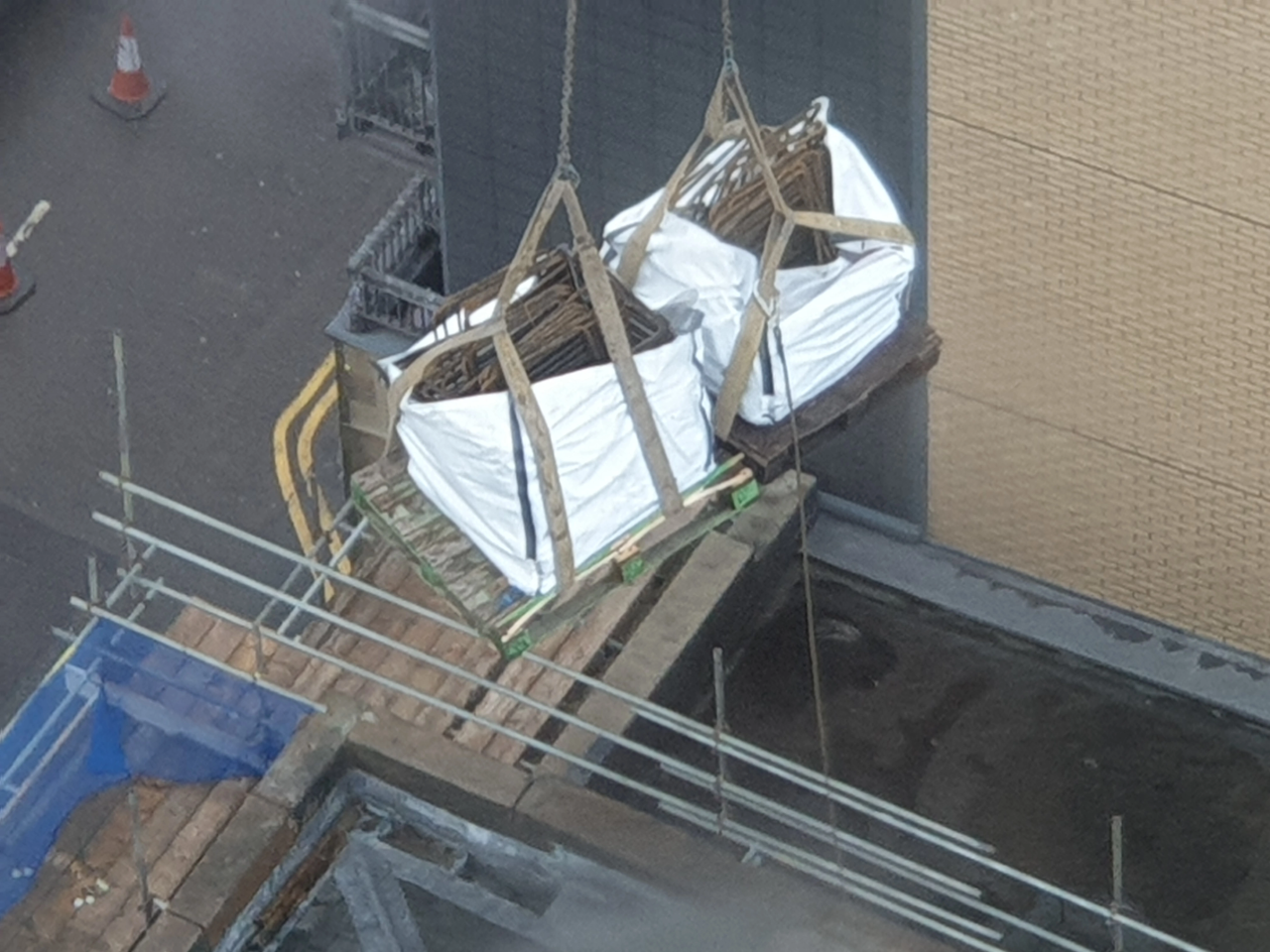
Lifting Pallets - You can see it failing. You need a structural lifter to make this legal.
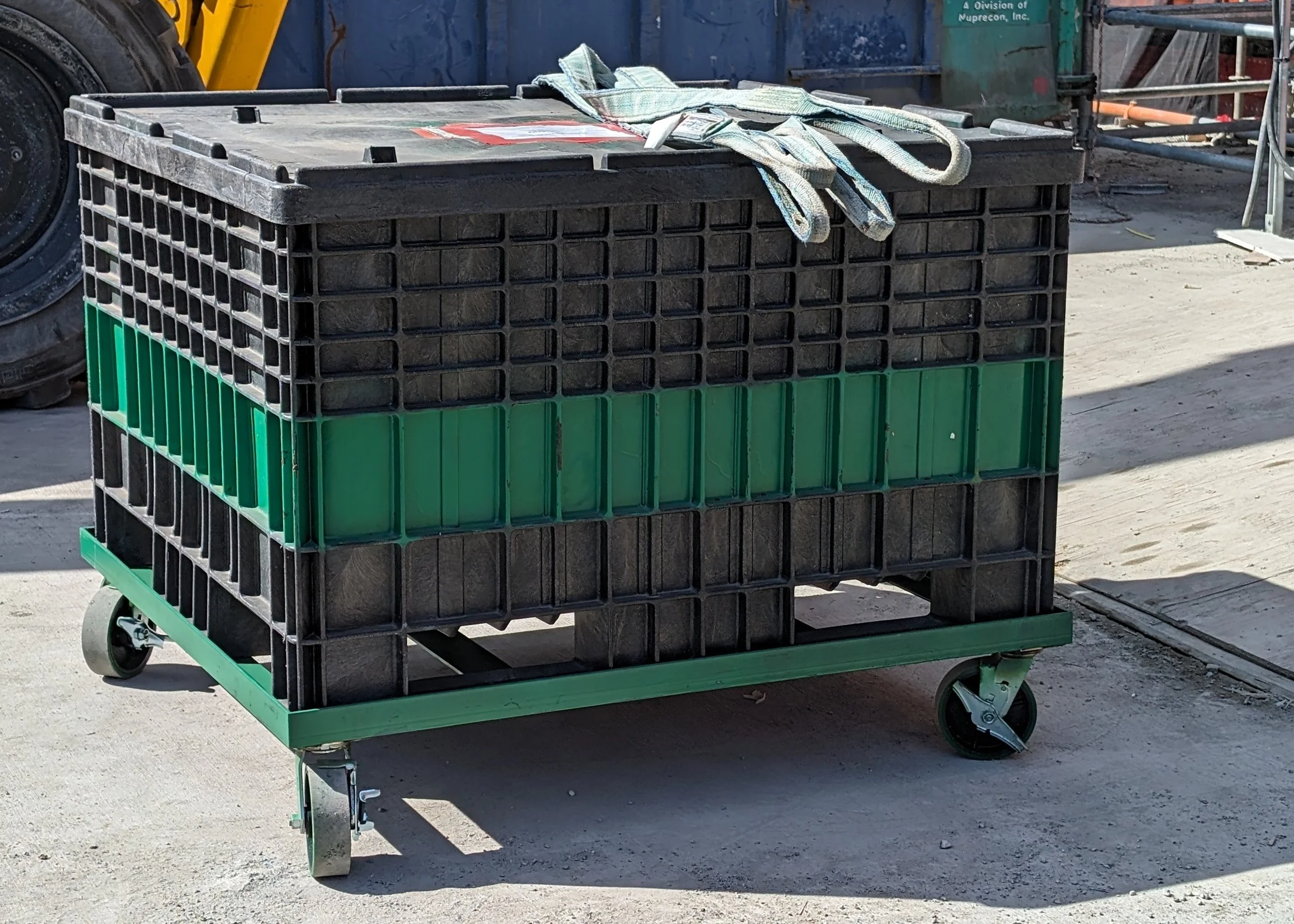
Plastic boxes on cranes. These are rated for forklifts. They have no ratings on cranes or instructions. No tagging.
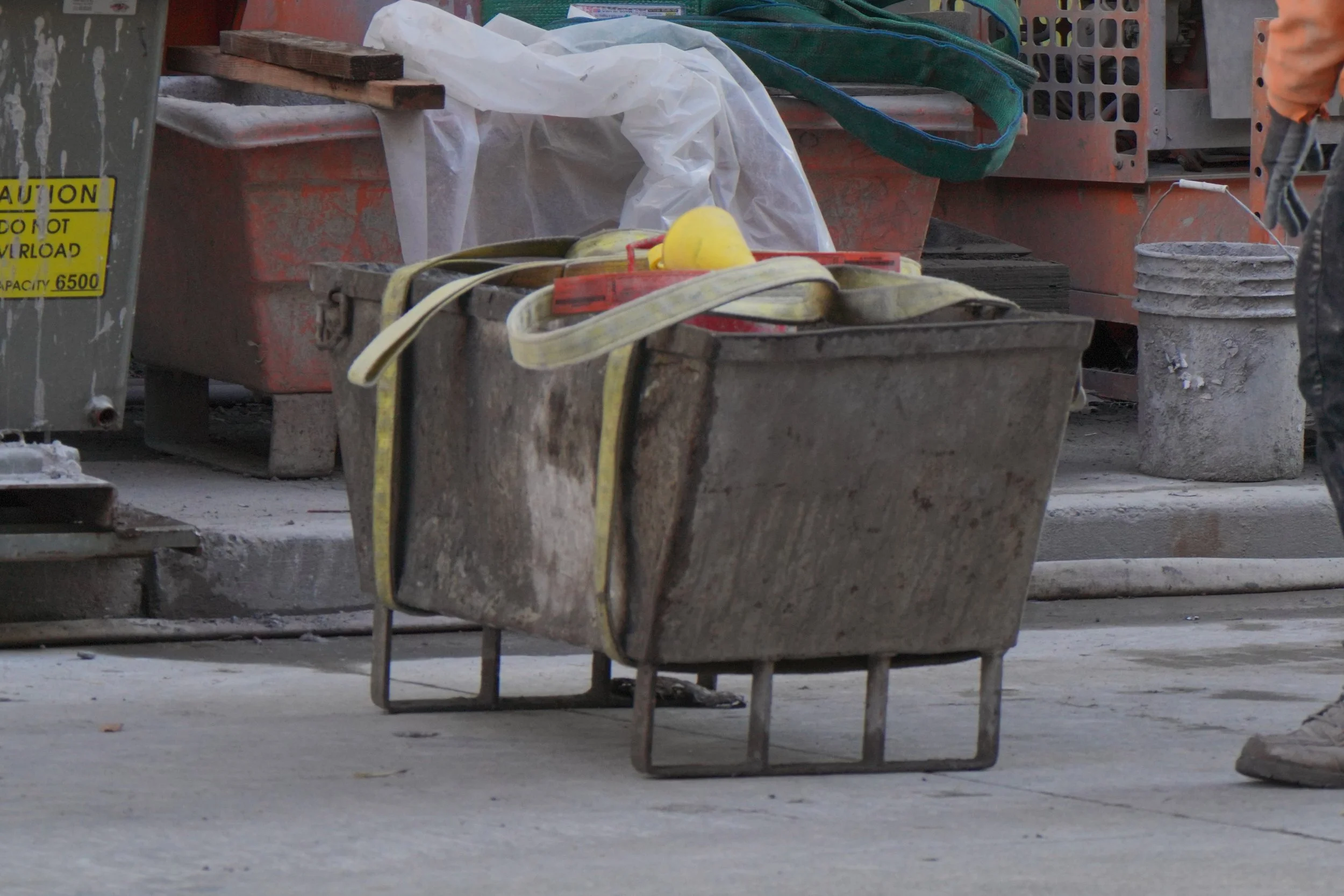
Most Mortar bins have no crane rating. So people use slings. This doesn’t make it legal. The lifter is separate from the load.
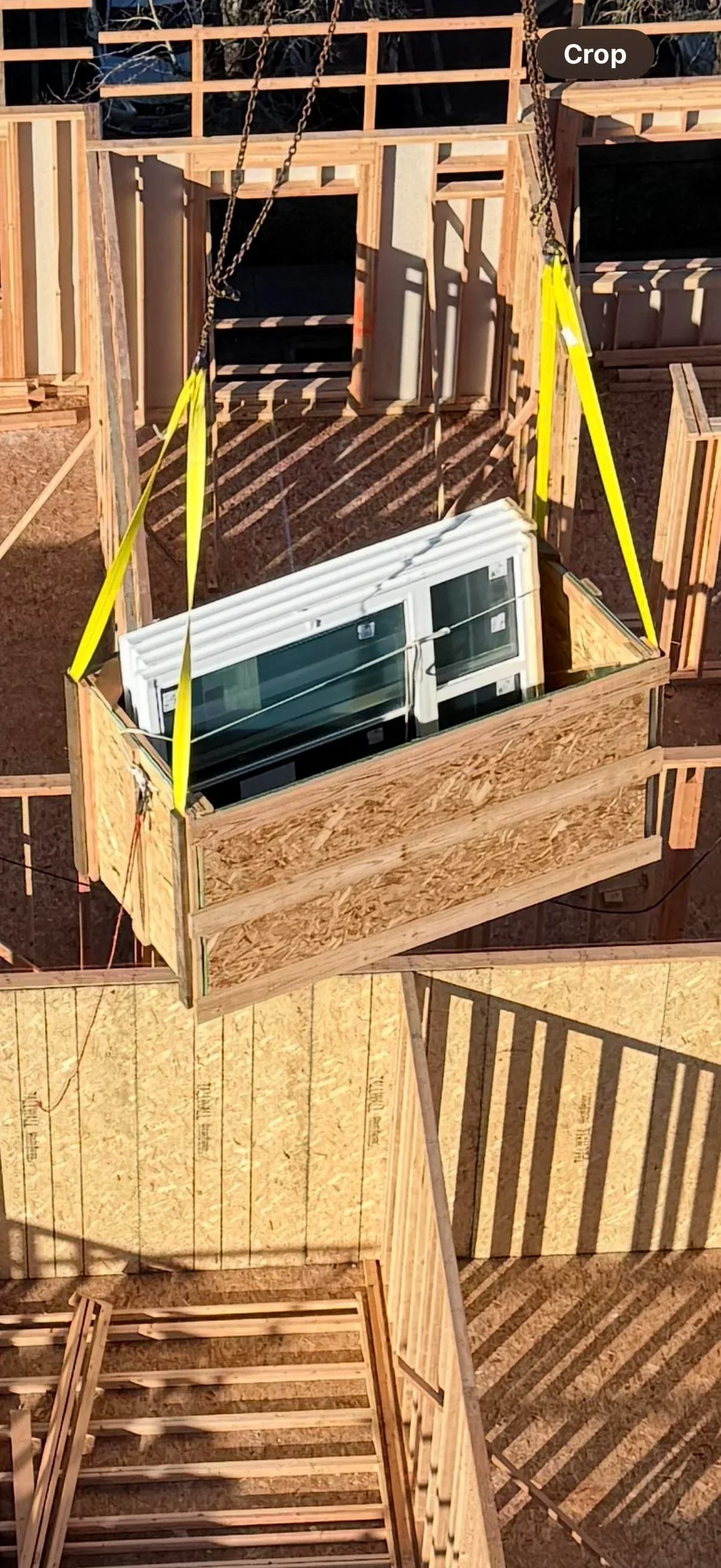
Boxes Built of Wood. What is this really rated for? When will OSB glue fail? Without consistency, people get clever. Eventually people get hurt when the clever runs out.
A Visual Exercise
The notion that we don’t need regulations on what a Structural Lifter is, or what a Load Container is can be illustrated with AI these days. These pictures allow us to see the limits of what makes sense, and the limits of our arguments. If someone showed up with these items made of wood… would you use them? Even if your argument is that the attachment is the driver of when something is legal to use, would you get in a Crane Man Basket on slings, or otherwise if it were made of wood? If that answer is no, the next question is as simple as, if you wouldn’t fly yourself in a wood structure, why are you flying 2000 lb items in wood structures over people? And that’s the heart of the problem right there.
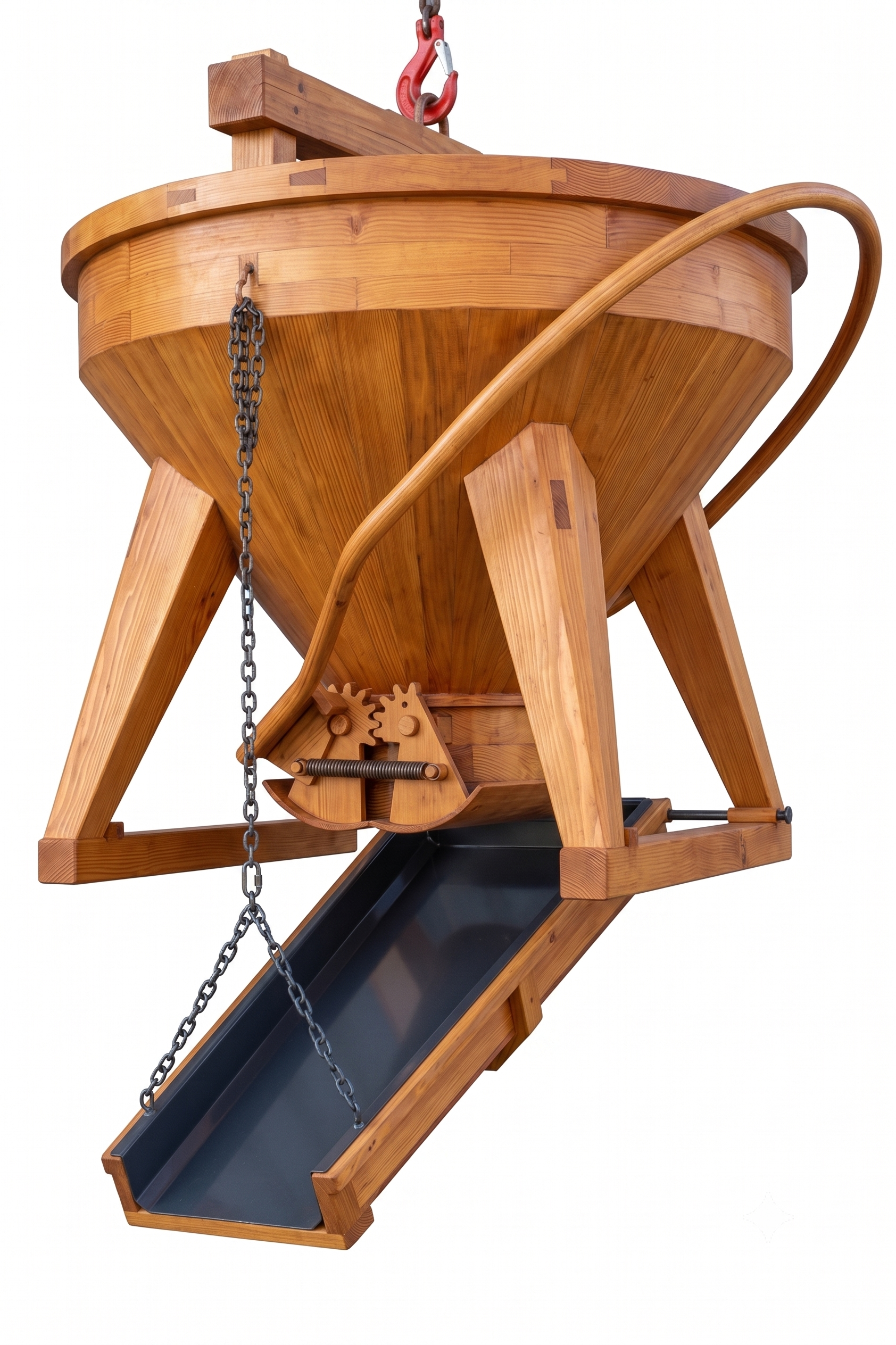
Would you use a wooden concrete bucket?
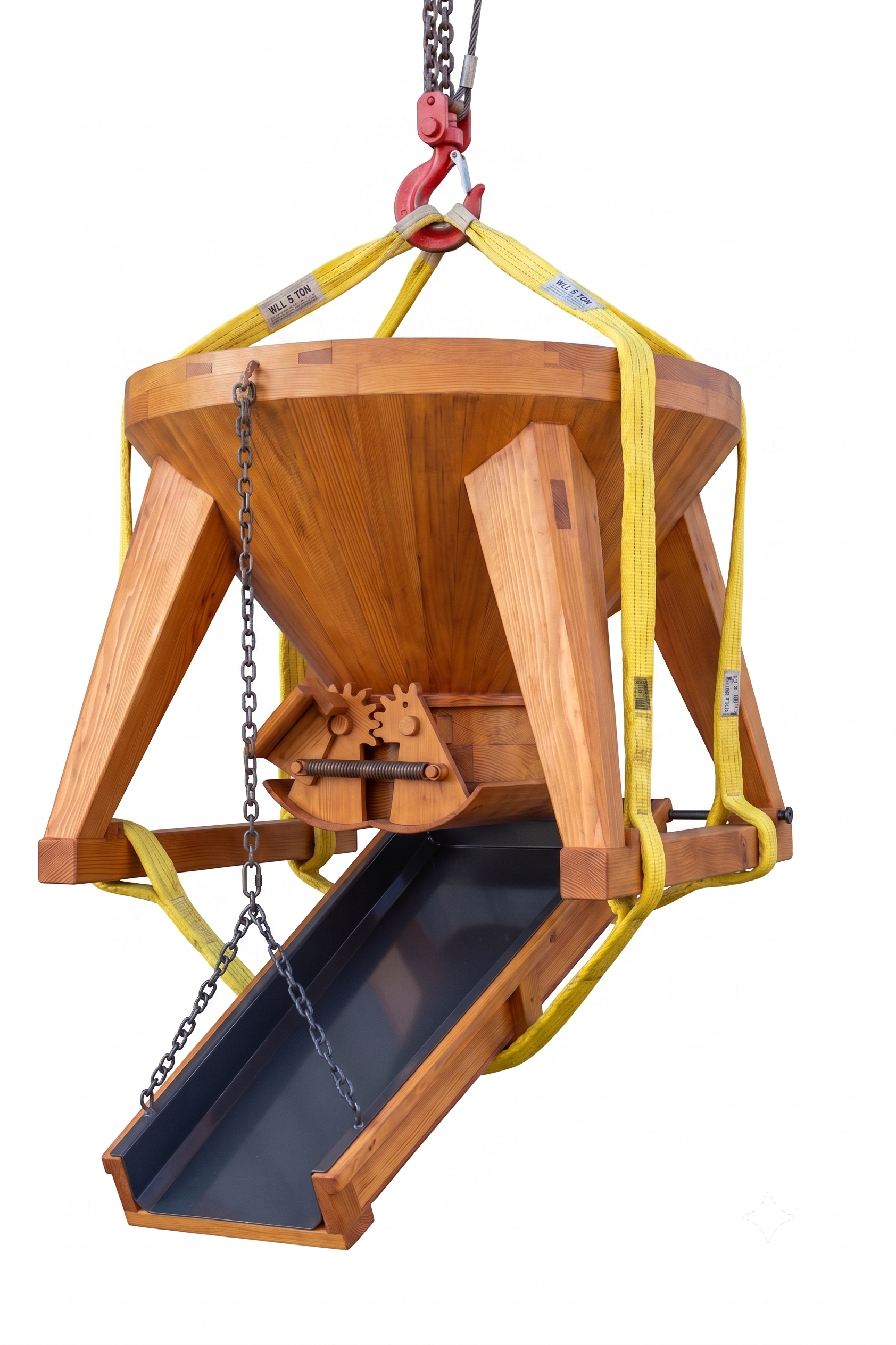
What if they say you should use slings to lift it?
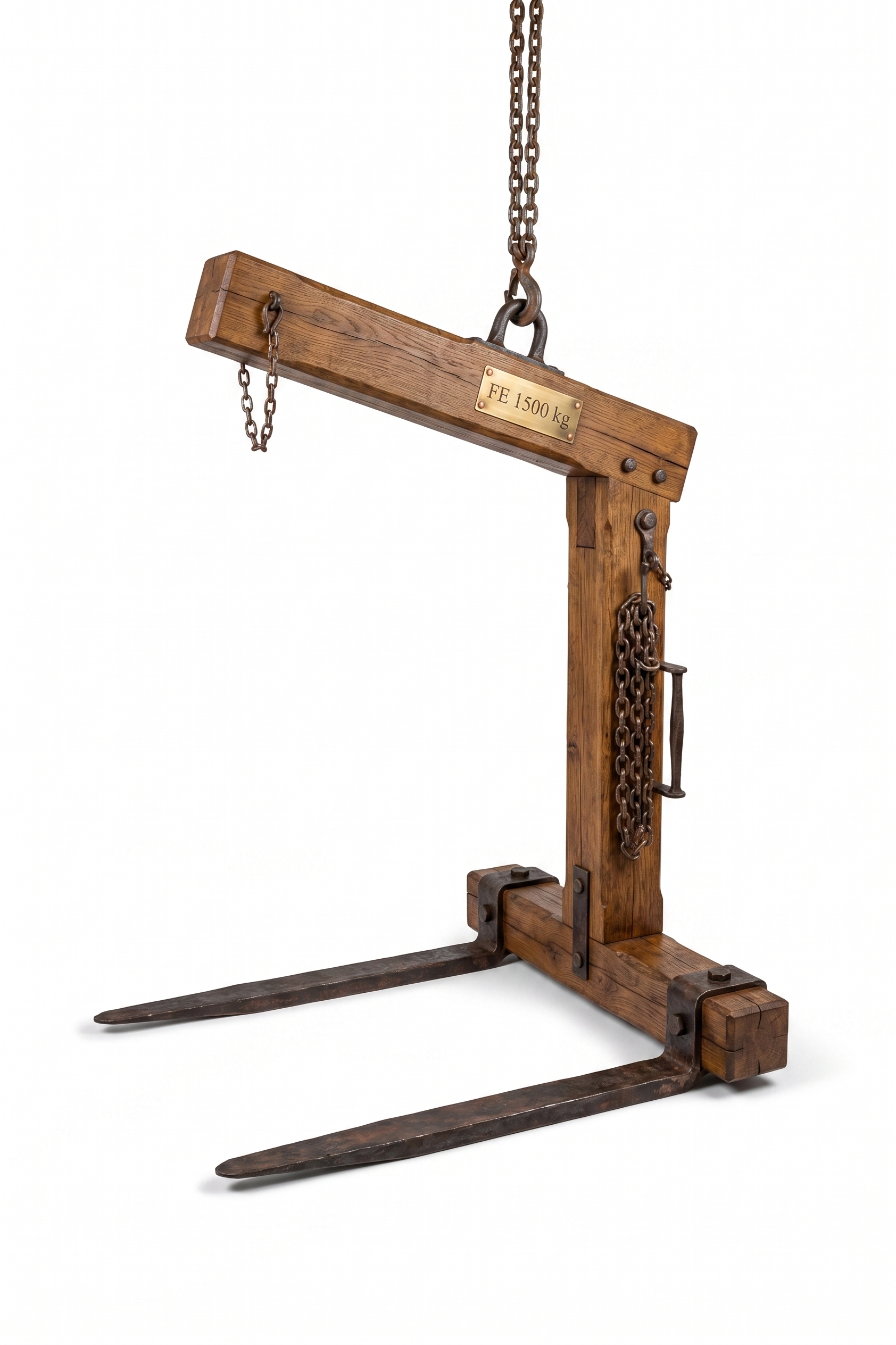
Crane Pallet forks made of wood. Would you believe the 1500 kg tagging?
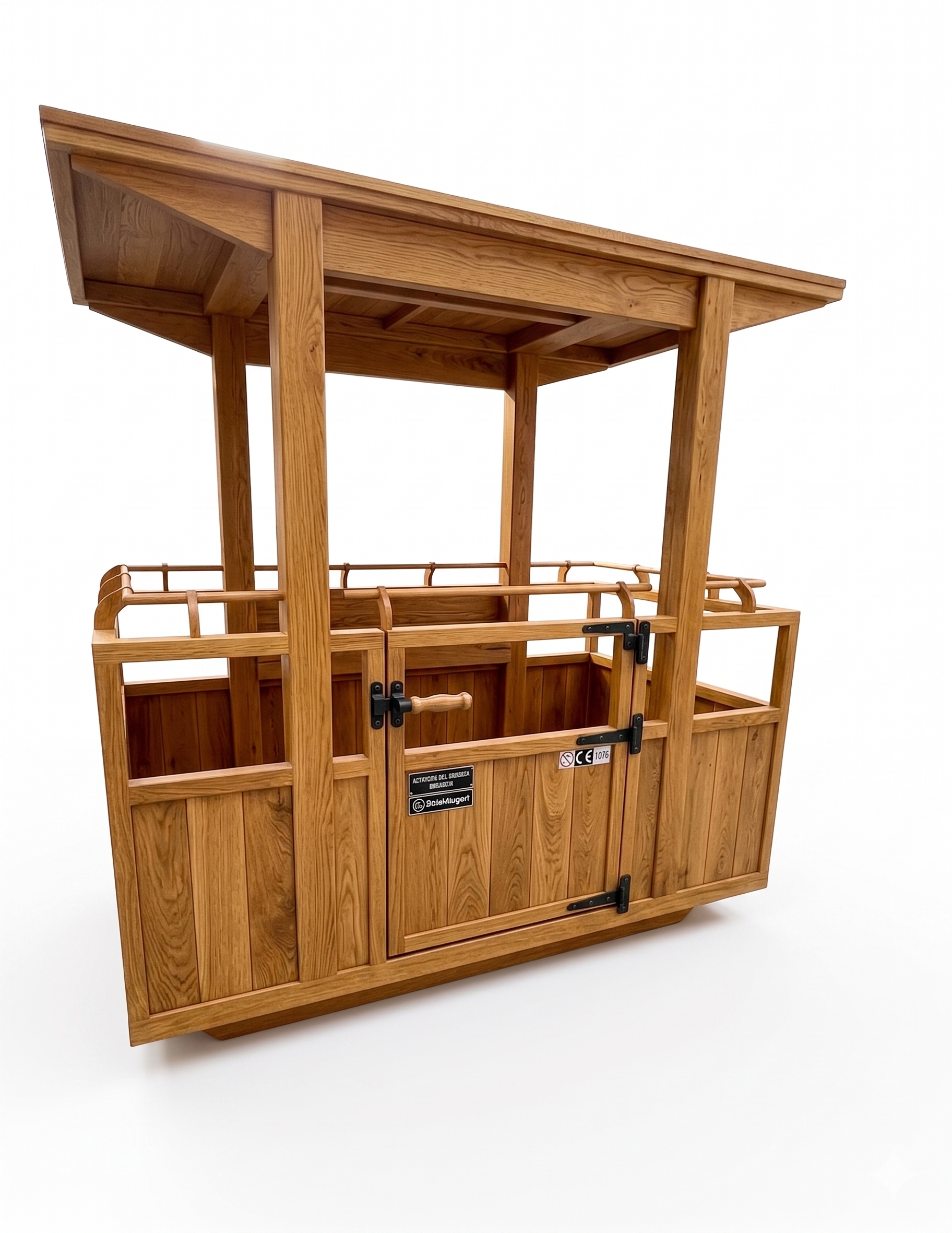
A Crane Man Basket made of wood. What could go wrong here?
Doing Something for 20 Years Doesn’t Mean it was Wise
We need consistency of thought. If you need steel to lift 4000 lbs of concrete in a concrete bucket, you need steel to lift 4000 lbs of form ties. If the concrete bucket needs to be welded, then the bin to lift the form ties needs to be welded and not nailed together 20 years ago. If the concrete bucket needs an inspection annually for records and daily, then so does the lifter carrying spools of electrical wire. From the ground the crane sits on being the responsibility of the General Contractor to the education of the person hooking into the load has to be rated, every part of the puzzle must be rated and reviewed. Why would anyone conclude that we don’t need to know the rating of the lifter?
CraneGear.net has the solutions. Let’s get your risk mitigated and ensure your employees are in a safer position going forward.